
Commercial Grease Interceptor Cleaning Service in Orange County
In busy Orange County commercial kitchens, grease interceptors handle large volumes of fats, oils, and grease (FOG) every day. Over time, heavy grease buildup accumulates inside the interceptor, including baffles and inlet and outlet pipes, reducing its ability to separate grease from wastewater effectively. Unlike smaller systems, commercial grease interceptor cleaning involves complete grease interceptor pumping, removal of solid waste, and thorough internal cleaning to restore proper function. Even with regular service, internal components may wear down, which is why grease interceptor baffle repair is also sometimes needed. Routine grease interceptor cleaning service helps prevent overflows, control odors, and keep large commercial food establishments compliant with local regulations under Ordinance No. OCSD-25, ensuring smooth operations without unexpected disruptions.
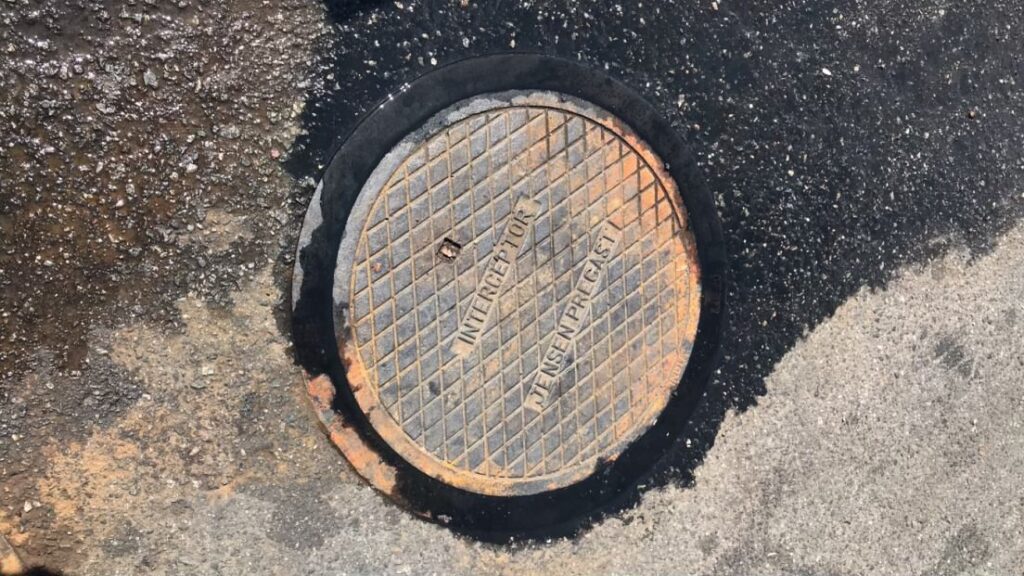
Complete Grease Removal
Full grease interceptor pumping removes accumulated grease, sludge, and wastewater from the interceptor, ensuring no leftover buildup that could reduce grease control efficiency over time.
Proper Wastewater Flow
Best grease interceptor cleaning service restores proper flow inside your interceptor, helping commercial kitchens run without slow drains, grease buildup, or unexpected interruptions during service.
Regulation Compliance
Regular commercial grease interceptor cleaning helps meet Orange County FOGS control requirements, reducing the risk of violations, fines, and operational disruptions in restaurants.
Cleaning A Grease Interceptor
How We Perform Commercial Grease Interceptor Cleaning Service
Cleaning a grease interceptor as part of a professional grease interceptor cleaning service begins by opening the access lids and measuring grease and solids levels in each chamber. A vacuum truck is connected to pump out all wastewater, floating grease, and settled sludge. The interior walls, baffles, and ‘inlet and outlet’ pipes are then scraped and pressure washed to remove hardened FOGS buildup. After cleaning, the system is flushed with both hot and cold water, flow between compartments is checked, and all components are inspected before securely sealing the interceptor.
Step by Step Commercial Grease Interceptor Cleaning-
- Inspecting interceptor condition and measure grease levels before cleaning begins
- Pumping out all grease, wastewater, and solid waste from system
- Scraping internal walls, baffles, and pipes to remove grease buildup completely
- Checking wastewater flow and ensure system is working properly after cleaning
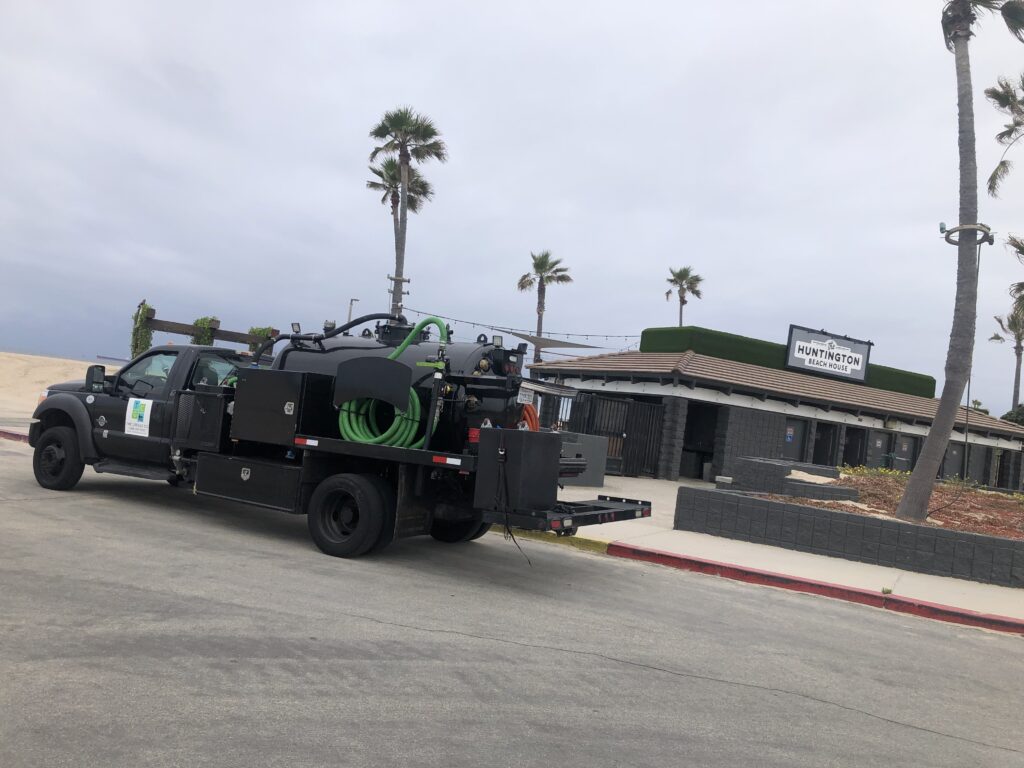
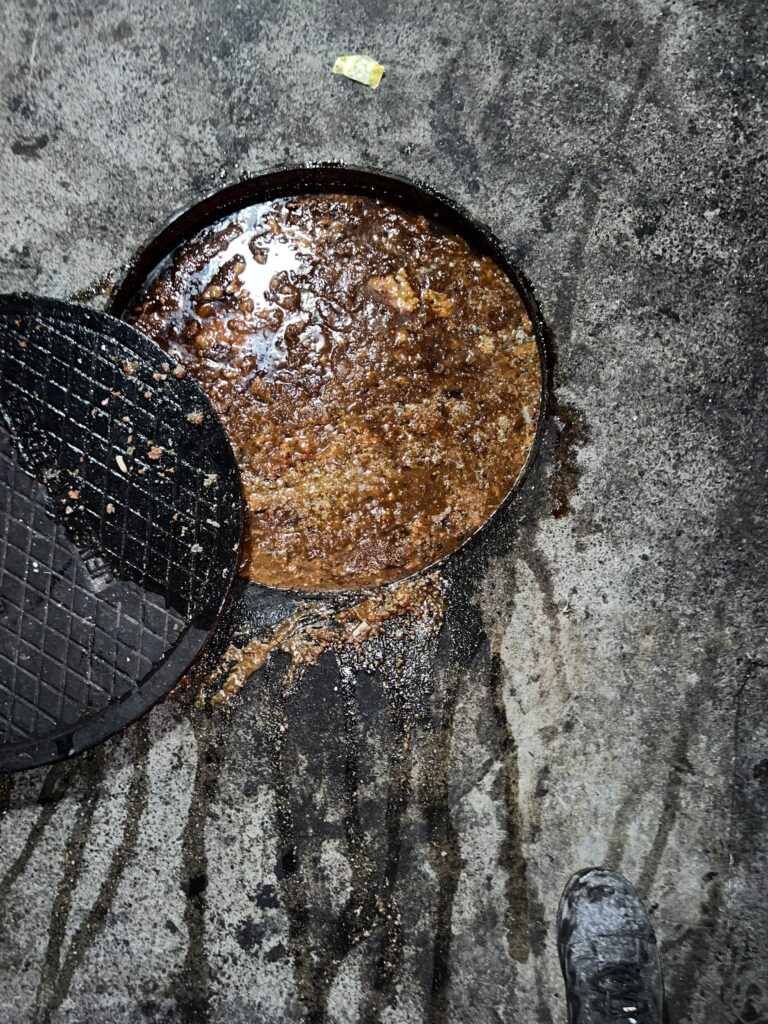
Comprehensive grease interceptor service is not just about removing waste, but ensuring the entire system functions correctly after service. A complete grease pumping helps prevent recurring issues, supports proper grease separation, and reduces the risk of costly business disruptions. With careful inspection, thorough cleaning, and final checks, your interceptor remains reliable and efficient. Regular service ensures your kitchen continues to operate smoothly while staying compliant with EPA Grease, Fats, and Oils (FOG) Control and Management Program.
Need grease interceptor Pumping?
Schedule Commercial Grease Interceptor Cleaning NOW!
Don’t wait for grease buildup to cause problems. Schedule your commercial grease interceptor cleaning now and keep your kitchen running efficiently, clean, and compliant every day. Call now at 888‑697‑8910 or request a service online.
Admin Support
Email Us Now
Have Over 1000 Gallons/Pallets of Used Cooking Oil?
We Buy Used Cooking Oil, Waste Cooking Oil, Used Vegetable Oil, and Yellow Grease from Commercial Kitchens in the cities of Orange County.
Understanding Grease Interceptor Cleaning- for Restaurant Owners
Grease Interceptor vs Grease Trap
For restaurant owners, understanding grease interceptor vs grease trap comes down to commercial kitchen size and daily waste cooking oil output. Both systems are designed to prevent fats, oils, and grease from entering the sewer, but they differ in scale and location. Grease traps are smaller indoor units, typically handling lower flow rates under 50 Gpm. But grease interceptors are large underground systems built for high-volume commercial kitchens. Because of this, cleaning a grease interceptor requires a more involved process. A commercial grease interceptor cleaning service ensures these larger systems continue performing properly during peak restaurant operations.
Common Issues Found in Grease Interceptors
Grease interceptors in commercial kitchens in Orange County face constant pressure from high volumes of wastewater and grease. Over time, this leads to clogged system, reduced efficiency, and internal wear. Without proper grease interceptor maintenance, small issues can quickly affect the entire plumbing system. Understanding common problems and staying consistent with cleaning a grease interceptor is not an option but a mandatory task for restaurant owners.
Grease Buildup
Heavy grease accumulation reduces interceptor capacity, slowing drainage and increasing risk of overflows during peak kitchen hours.
Component Wear
Internal parts like baffles and pipes wear down over time, affecting grease separation and causing recurring operational issues.
Understanding grease interceptor vs grease trap helps restaurant owners choose the right maintenance approach for their system. With proper commercial grease interceptor cleaning service and timely care, you can prevent buildup, protect internal components, and maintain reliable performance. Cleaning a grease interceptor regularly ensures your kitchen stays efficient, compliant, and free from unexpected disruptions that can impact daily operations.
how We Work
Process of Grease Interceptor Services
Simple steps to clean and restore grease interceptor systems
Initial Inspection
We open the interceptor, inspect grease and sludge levels, and assess system condition to plan proper cleaning and identify any issues.
Grease Pumping
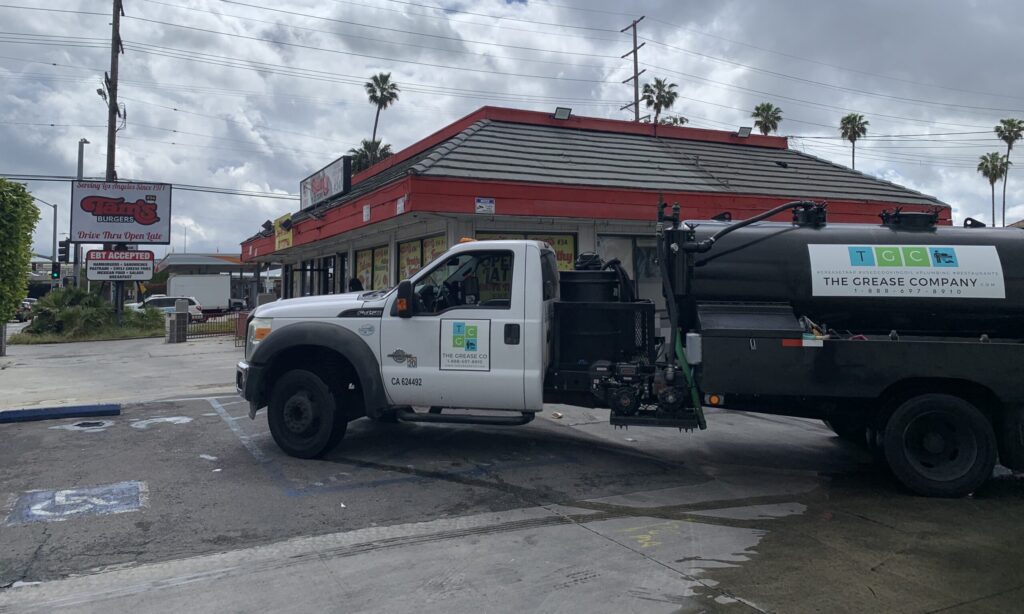
We use a vacuum truck to remove all wastewater, floating grease, and settled solids from each chamber, ensuring the interceptor is fully emptied.
Deep Cleaning
We scrape and wash internal walls, baffles, and pipes, then flush and test flow to ensure the interceptor is working properly.
Mike with Grease Company always provides friendly customer service. He’s able to provide grease pumping service when in impossible situations.

Pua Tanielu
Operations Manager, Downtown Diner
Got the grease gone quickly and efficiently. No mess, no fuss. Trusted team removed 1,500 gallons easily. I Highly recommend them for grease removal.

Jerrold Ridenour
Restaurant Manager, Anaheim Starbucks
The Grease Company is excellent! They provided last-minute service quickly and efficiently, accommodating our needs without any hassle or delay.

Diana Mejia
Restaurant Owner, Orange
Interceptor Questions
Grease Interceptor Cleaning FAQs for Restaurant Owners
Answers to Your Most Common Grease Interceptor Pumping Questions
1. How are grease interceptors cleaned?
Cleaning a grease interceptor is a detailed process that focuses on fully clearing the system and restoring proper operation. Technicians begin by opening the unit and checking grease and sludge levels. Using specialized equipment, all liquid waste and accumulated grease are removed from each compartment. The interior components, including baffles and piping, are then cleaned to eliminate residue. Finally, the system is rinsed, flow is tested, and everything is secured to ensure the interceptor is ready for continued use.
2. How often should a grease interceptor be cleaned?
The frequency of grease interceptor cleaning depends on your kitchen’s volume and grease output. Most commercial kitchens in Orange County require cleaning on a monthly or quarterly basis. High-volume restaurants may need more frequent service to prevent excessive buildup. Following a regular cleaning schedule helps maintain proper grease separation, prevents overflows, and ensures compliance with local FOG regulations.
3. How much does it cost to clean a grease interceptor?
The cost of cleaning a grease interceptor varies based on size, condition, and accessibility of the system. On average, outdoor grease interceptors cost between $325 and $1,040 to clean, while smaller indoor grease traps range from $115 to $475. Regular maintenance helps keep costs lower, as neglected systems often require more extensive cleaning and can lead to expensive repairs or emergency services.
4. What are the signs a grease interceptor needs cleaning?
Common signs include slow drainage, strong odors, grease overflowing, or frequent backups during kitchen operations. You may also notice grease passing through the system or buildup around the interceptor area. These issues indicate the interceptor is no longer functioning properly. Scheduling cleaning early helps prevent more serious problems and keeps your kitchen running without interruptions.
5. Why is my grease interceptor overflowing?
A grease interceptor usually overflows when it becomes too full of grease, solids, and wastewater. This buildup reduces available capacity and disrupts normal flow inside the system. Overflow can also occur if the interceptor has not been cleaned regularly or if internal components are not functioning properly. Timely grease interceptor cleaning helps prevent overflows and protects your kitchen from messy and costly disruptions.
6. What is the 25 percent rule in grease interceptor cleaning?
The 25 percent rule means a grease interceptor should be cleaned when the combined layer of grease and solids reaches 25 percent of its total capacity. Beyond this point, the system can no longer separate grease effectively, allowing it to enter drain lines. Following this rule helps maintain performance, prevents blockages, and ensures compliance with grease management regulations.